ABOUT RAVEN
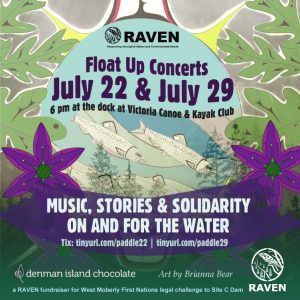
Victoria Float Up Concerts – July 22 AND July 29
Float your canoe, kayak, paddleboard, floatie, rowboat (you name it!) to some music and stories on the dock at Victoria Canoe and Kayak Club, featuring Kwakwaka’wakw & Songhees/Coast Salish artist Brianna Dick and live music!
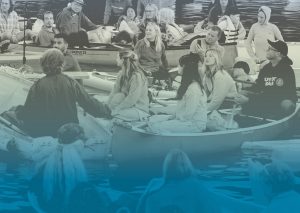
Salt Spring Island Concert Afloat
RAVEN is ready to host our second floating concert of the season on Thursday, July…
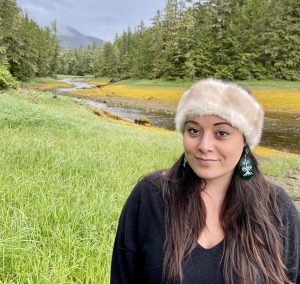
An oil spill in Heiltsuk waters
Heiltsuk Nation is currently conducting its own, Indigenous-led Environmental Impact Assessment, drawing on Indigenous ecological knowledge and western science to determine the health of the spill area, which has beena marine breadbasket for Indigenous peoples since time immemorial. The Heiltsuk are determined to heal the land and waters — but to do so, they need patient observation and hard data.
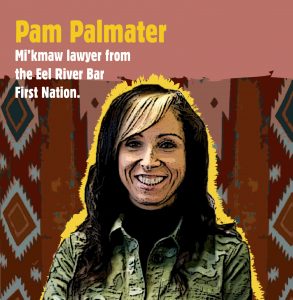
#365 Indigenous: Pam Palmater
Dr. Pamela D. Palmater is a Mi’kmaw citizen and member of the Eel River Bar…
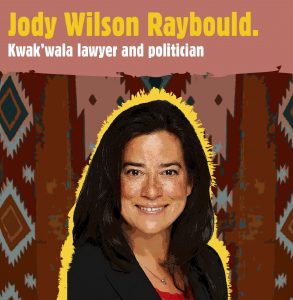
#365Indigenous: Jody Wilson Raybould – Puglaas
Kwakwaka’wakw lawyer and MP Jody Wilson Raybould is a trailblazing Indigenous leader. Celebrating Puglaas, today and every day. #365indigenous
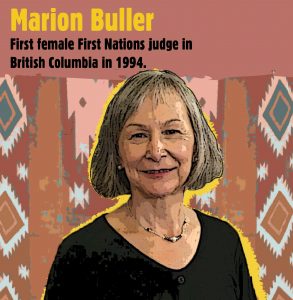
#365indigenous: Marion Buller
Marion Buller is a Cree woman and member of Mistawasis First Nation in Saskatchewan. Buller…
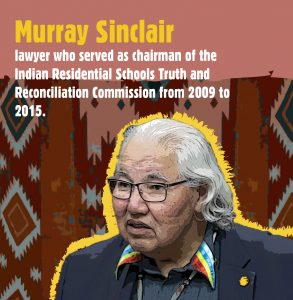
#365indigenous: Murray Sinclair
Murray Sinclair’s Ojibway name Mizanay Gheezhik: “The One Who Speaks of Pictures in the Sky.”…
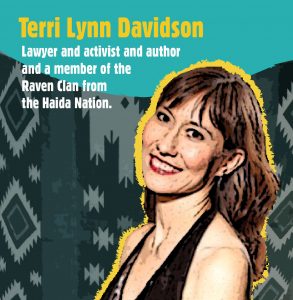
#365 Indigenous: Terri-Lynn(Lalaxaaygans) Williams-Davidson
Terri-Lynn Williams-Davidson (Gid7ahl-Gudsllaay Lalaxaaygans) is a Haida musician, author, activist, artist, and lawyer who has…
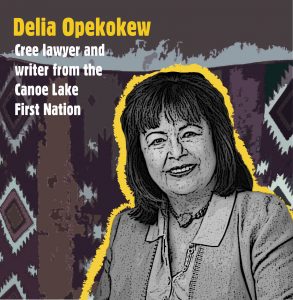
#365 Indigenous: Delia Opekokew
Cree lawyer and writer Delia Opekokew is from Canoe Lake First Nation in Saskatchewan, Canada….
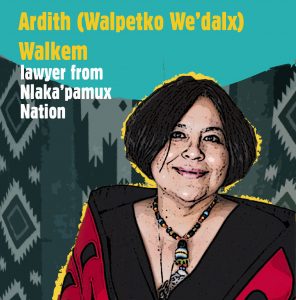
#365 Indigenous: Ardith (Walpetko We’dalx) Walkem
Ardith Walkem is a member of the Nlaka’pamux Nation and grew up in Spence’s Bridge,…
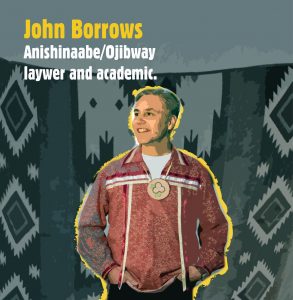
#365 Indigenous: John Borrows
Dr. John Borrows is Anishinaabe/Ojibway and a member of the Chippewa of the Nawash First…
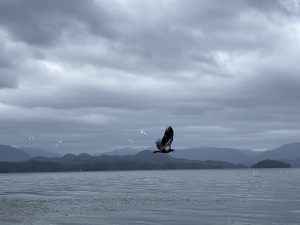
Why are Haíɫzaqv (Heiltsuk) conducting their own environmental assessment?
Haíɫzaqv are intricately connected to our natural world, the land, the sea, rivers, all the plants and animals great and small. When any one of these is put at risk, hurt, or displaced it affects us culturally, spiritually, physically, and in ways we cannot put into English words. The Nathan E. Stewart disaster is a prime example of that, and we cannot rely on a colonial system or the polluter , but rather must conduct an environmental impact assessment grounded in our laws, our culture, and values.
